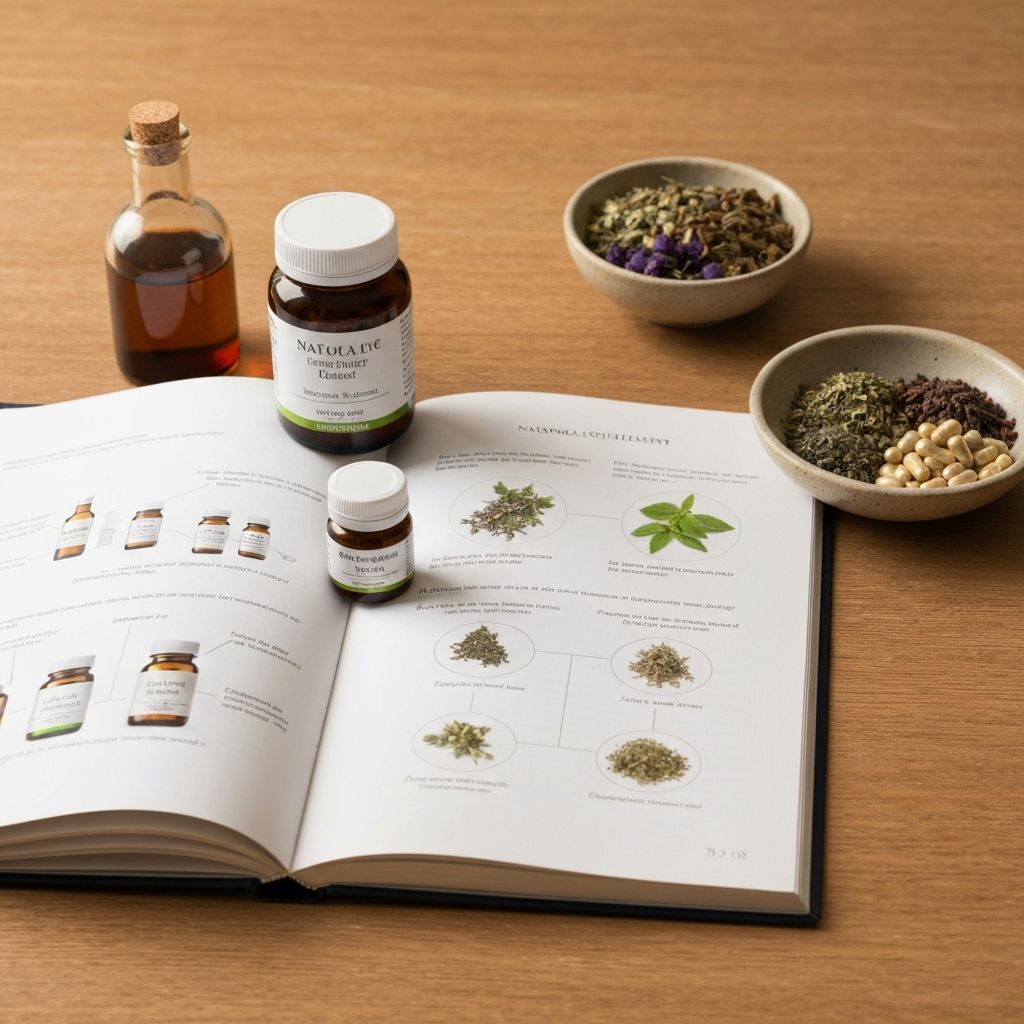
An educational resource for informed supplement choices and active living
NurVita was created to provide clear, balanced information about natural supplements without exaggerated claims or unrealistic promises. We believe that informed individuals make better choices for their own well-being.
Our approach centers on education rather than persuasion. We present information about natural products, their components, traditional uses, and current understanding, allowing visitors to draw their own conclusions based on their unique circumstances.
We recognize that supplements serve a supportive role within a broader lifestyle context that includes nutrition, movement, rest, and stress management. No single product or approach provides complete solutions.
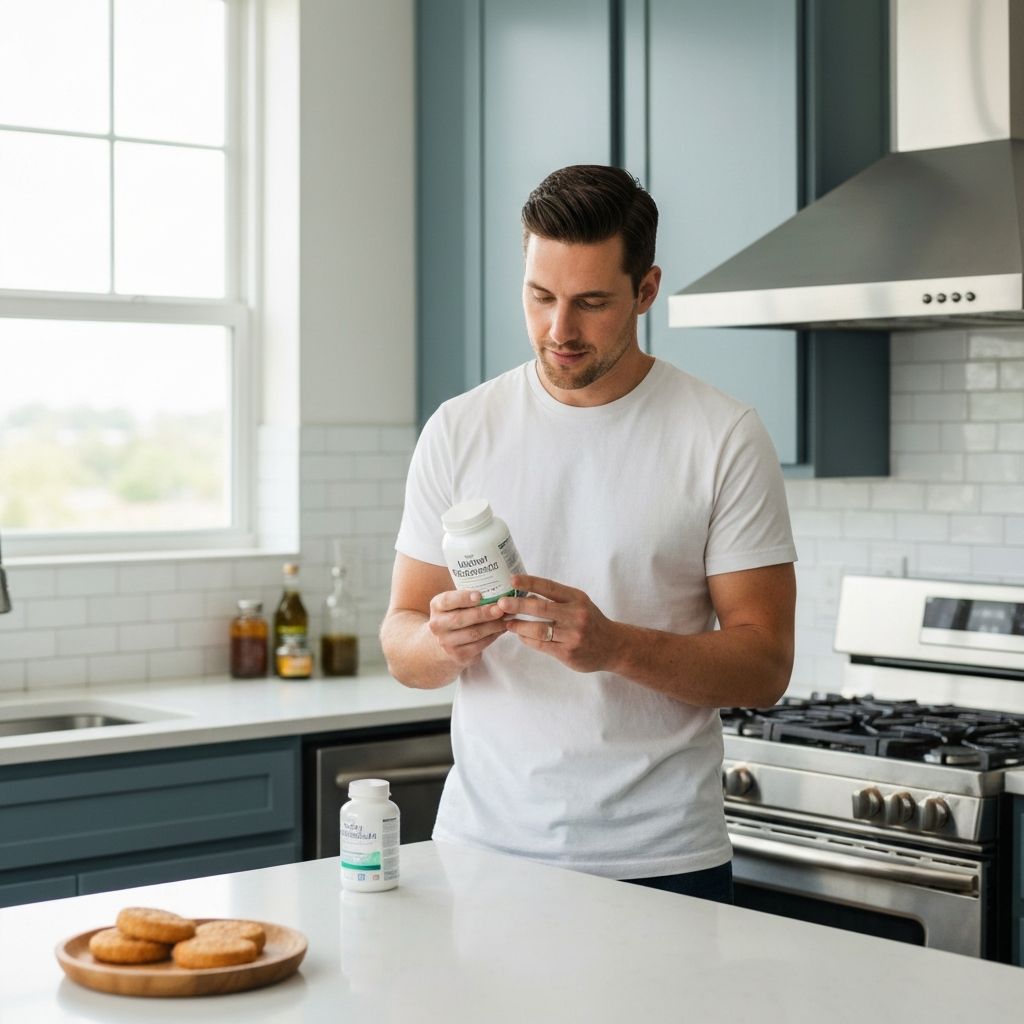
Physical activity creates specific nutritional demands that may exceed what typical dietary patterns provide.
Regular physical activity increases caloric expenditure and places greater demands on metabolic pathways involved in energy production. Certain B-vitamins, magnesium, and iron play crucial roles in these processes.
Movement involves mechanical stress on muscles, connective tissue, and joints. Adequate protein intake along with specific amino acids and minerals supports the body's ongoing maintenance and adaptation processes.
The period following activity involves multiple recovery processes, from glycogen replenishment to tissue repair. Strategic nutrient timing can support these natural recovery mechanisms.
Physical activity generates oxidative compounds as natural byproducts of metabolism. Antioxidants from various botanical sources help maintain balance in these processes.
We maintain a clear distinction between providing information and making outcome promises. While research and traditional use provide insights into how various supplements may support bodily functions, individual responses vary considerably.
Factors influencing individual responses include baseline nutritional status, activity levels, genetic variations, concurrent dietary patterns, sleep quality, stress levels, and many other variables. What proves beneficial for one person may have minimal impact on another.
Our content focuses on mechanisms of action, typical dosage ranges, safety considerations, and quality evaluation criteria. We avoid language suggesting guaranteed results or uniform experiences.
This approach respects individual autonomy while providing the information needed for personal decision-making. We encourage visitors to consider their unique circumstances and, when appropriate, consult with knowledgeable professionals.
Men's nutritional needs differ somewhat from women's due to variations in body composition, hormonal profiles, and typical activity patterns. These differences influence which supplements may be most relevant.
Zinc, magnesium, and vitamin D are among the nutrients that men commonly have suboptimal intakes of through diet alone. Physical activity increases requirements further.
Protein needs are generally higher for men, particularly those engaged in resistance training or physically demanding occupations. Plant and animal-based protein supplements offer convenient options for meeting elevated requirements.
Joint support becomes increasingly relevant with age and cumulative physical activity. Ingredients like glucosamine and collagen peptides have research support specific to connective tissue maintenance.
Lifestyle and supplement awareness instructors serve an educational rather than prescriptive function. Their expertise lies in helping individuals understand product options, interpret research findings, and develop sustainable approaches to supplementation.
These professionals differ from medical practitioners in that they focus on general wellness support rather than addressing specific health conditions. They work within the realm of nutritional supplementation for generally healthy individuals seeking to optimize their daily function and support active lifestyles.
An awareness instructor can help you:
Working with an instructor is optional but can be valuable for those new to supplementation or seeking to refine their current approaches.
We present information clearly, acknowledge limitations in current knowledge, and avoid misleading language or exaggerated claims.
Our primary goal is informing rather than selling. We believe educated consumers make better decisions for their individual needs.
We emphasize safe practices, appropriate dosing, realistic expectations, and the importance of foundational health behaviors.
Joint comfort and mobility are essential for maintaining independence and enjoying physical activities throughout life. Natural supplements can support the structures involved in joint function.
Glucosamine and chondroitin are naturally occurring compounds in cartilage tissue. Supplementation provides building blocks that may support the body's ongoing cartilage maintenance processes, though effects develop gradually over weeks or months.
Collagen peptides, particularly Type II collagen, have gained attention for their potential role in supporting connective tissue structure. These protein fragments are derived from animal sources and provide specific amino acid profiles.
Anti-inflammatory compounds from botanical sources, such as curcumin from turmeric or omega-3 fatty acids from fish oil, may help manage the normal inflammatory responses that occur with regular physical activity.
Joint-focused supplementation works best in combination with appropriate movement patterns that promote circulation and tissue adaptation, along with maintaining healthy body weight to reduce mechanical stress.
Effective supplementation aligns with activity patterns rather than following rigid protocols. The timing and composition of supplements can be adjusted based on daily demands.
On more active days, emphasis might shift toward energy-supporting nutrients and adequate protein for recovery. Less active periods provide opportunities for maintenance-focused supplementation supporting long-term tissue health.
This flexible approach respects the variability inherent in daily life while maintaining consistent support for fundamental processes. It also prevents the development of overly rigid patterns that become burdensome to maintain.
Listening to the body's signals and adjusting accordingly develops over time as individuals gain experience with how different supplements affect their energy, recovery, and comfort levels.
We advocate for starting with conservative doses and gradually adjusting based on individual response and changing needs. This measured approach has several advantages.
Beginning with lower doses allows assessment of individual tolerance and helps identify any sensitivities before committing to full protocols. It also makes it easier to identify which specific supplements are contributing to any observed changes.
Gradual progression respects the body's adaptation processes and prevents overwhelming multiple systems simultaneously. It also proves more sustainable economically and practically over the long term.
This approach contrasts with aggressive supplementation protocols that may produce short-term enthusiasm but often prove difficult to maintain consistently.
Maintaining physical function involves more than just strength or endurance. It encompasses flexibility, coordination, balance, and the comfort to engage in desired activities without limitation.
Supplements supporting these broader aspects of physical function include those affecting energy levels, connective tissue integrity, muscle protein synthesis, and recovery processes.
The goal is sustainable physical capacity that supports daily activities, recreational pursuits, and long-term independence. This requires attention to multiple factors working synergistically rather than isolated interventions.
Natural supplements serve as one component within this comprehensive approach to maintaining physical function across the lifespan.
Daily physical demands vary considerably based on occupation, recreational activities, seasonal patterns, and life circumstances. Nutritional needs, including supplementation, can be adjusted to match these changing demands.
Periods of increased activity benefit from emphasis on energy-supporting nutrients and adequate protein. Recovery periods might focus more on anti-inflammatory compounds and tissue maintenance ingredients.
This adaptive approach prevents both under-support during demanding periods and unnecessary supplementation during less active phases. It also encourages ongoing awareness of the body's changing needs.
Developing this adaptability is a skill that improves with experience and attention to how different supplementation patterns affect daily function and comfort.
We welcome inquiries about our educational mission and information resources
Get in Touch